


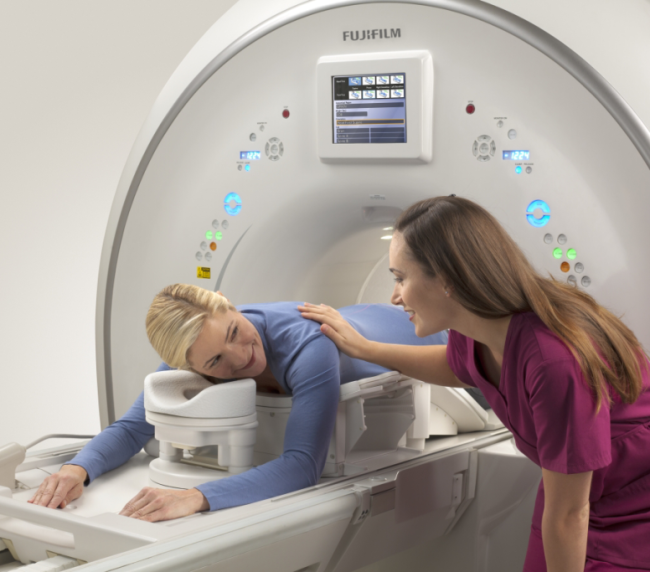
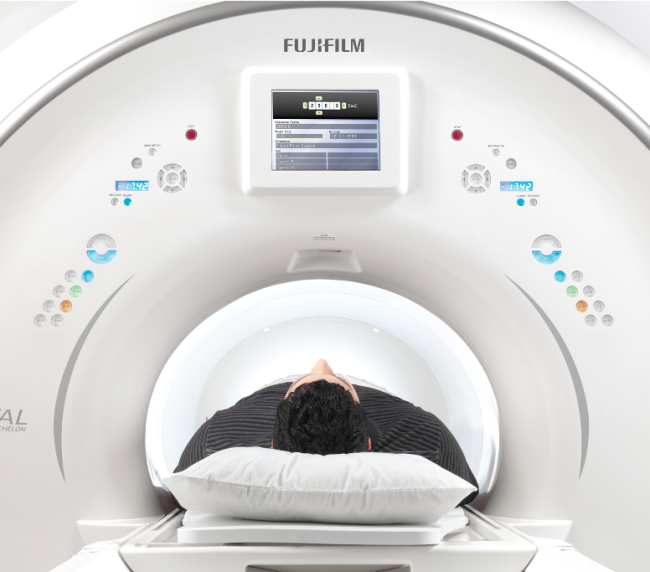
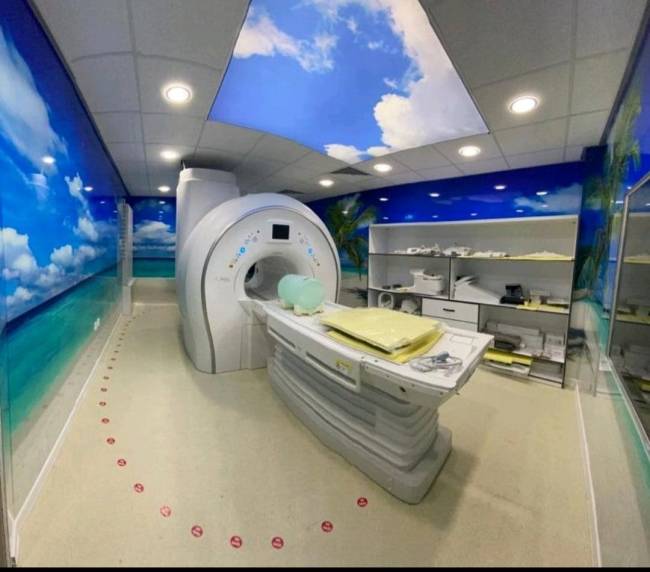
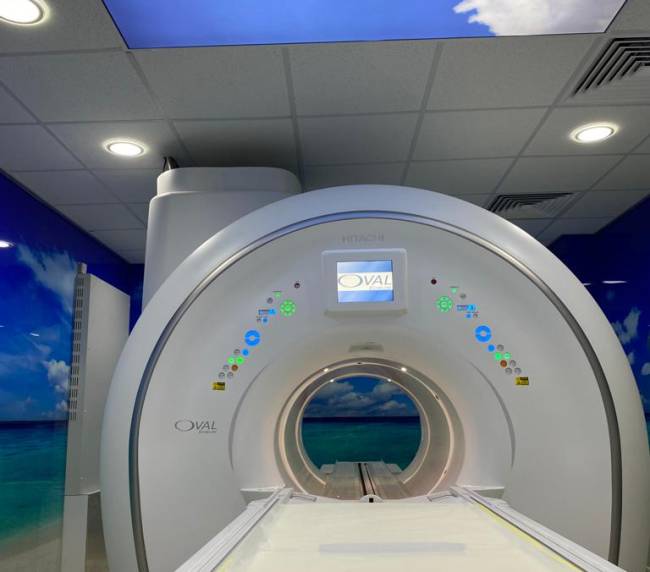
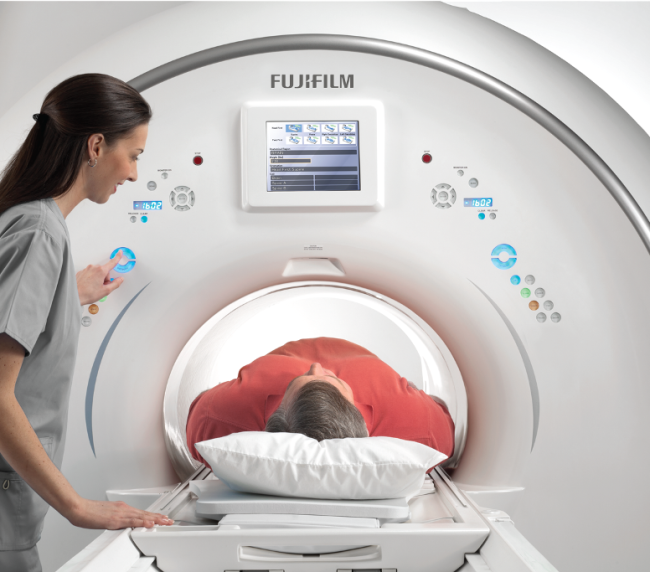
Designed to accommodate the widest range of patients, the Echelon Oval is shaped to fit the body and is designed to prioritize patient comfort without compromising image quality.
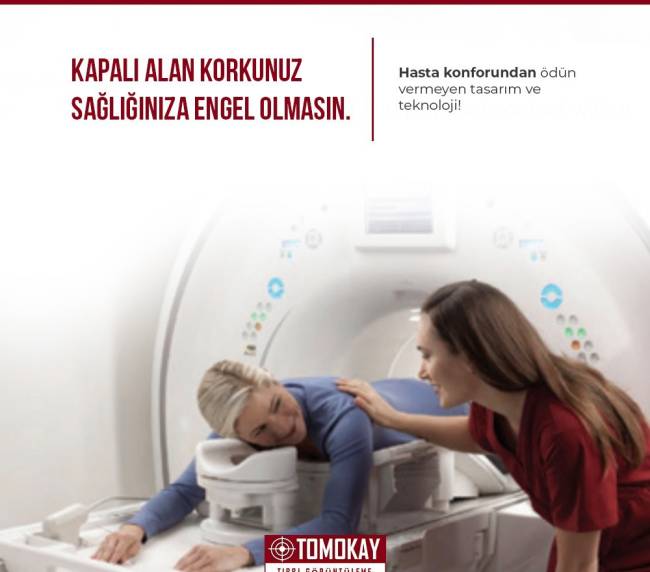
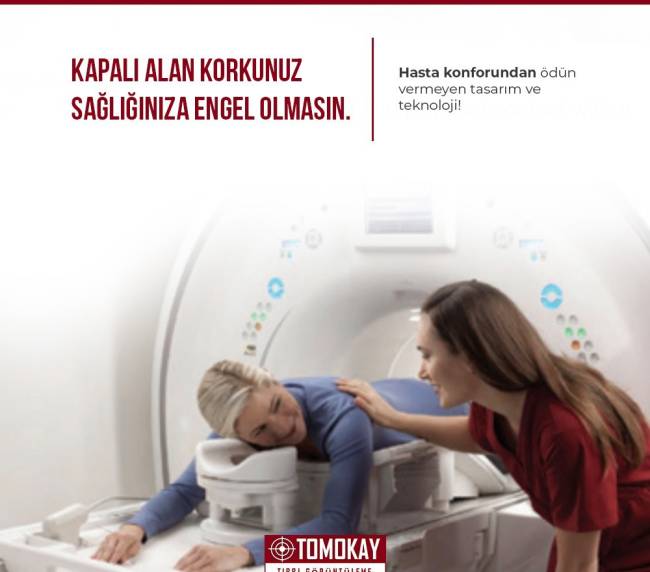
Don’t let your fear of enclosed spaces get in the way of your health.
Design and technology that doesn’t compromise on patient comfort!
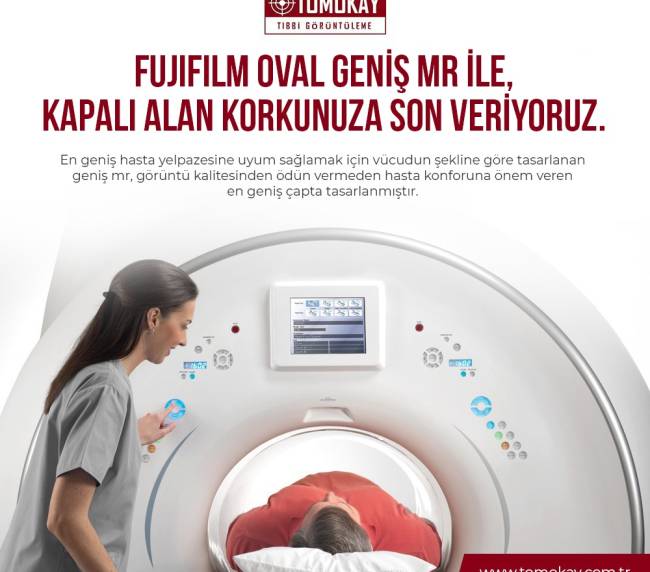
We’re putting an end to your fear of enclosed spaces with the Fujifilm Echelon Oval Wide MR.
Designed to accommodate the widest range of patients by conforming to the shape of the body, the Echelon Oval is designed with the widest possible range, prioritizing patient comfort without compromising image quality.
Don’t let your fear of enclosed spaces get in the way of your health.
Design and technology that doesn’t compromise on patient comfort!
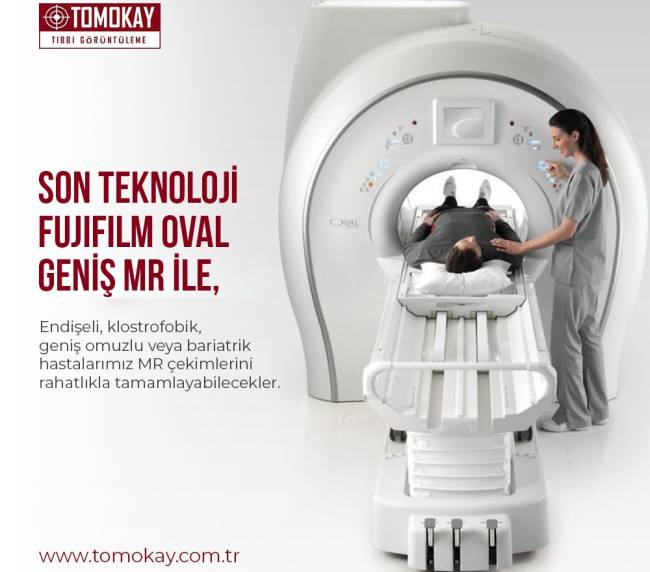
With the latest technology Fujifilm Echelon Oval Wide MRI,
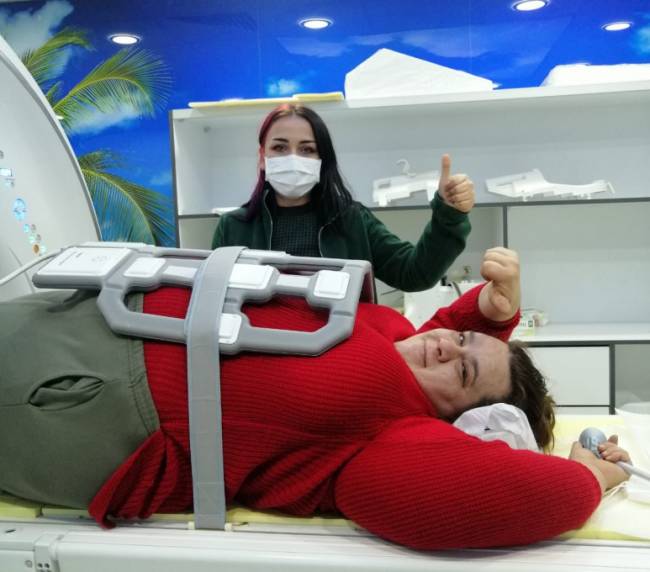
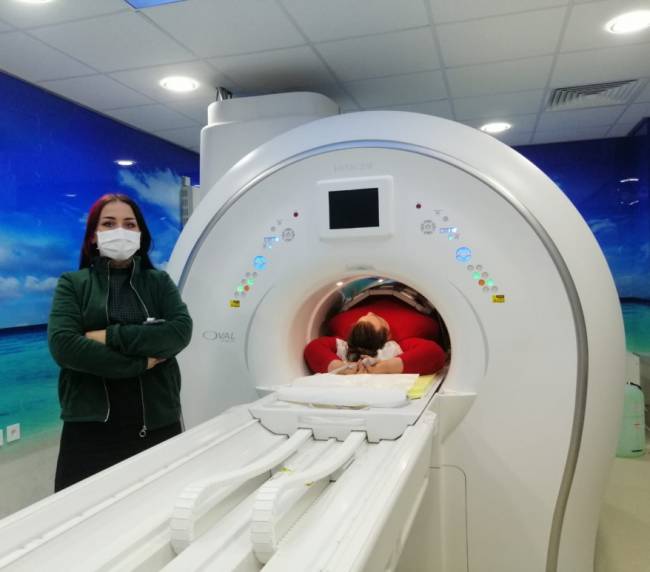
anxious, claustrophobic, broad-shouldered, or bariatric patients can comfortably complete their MRI scans.
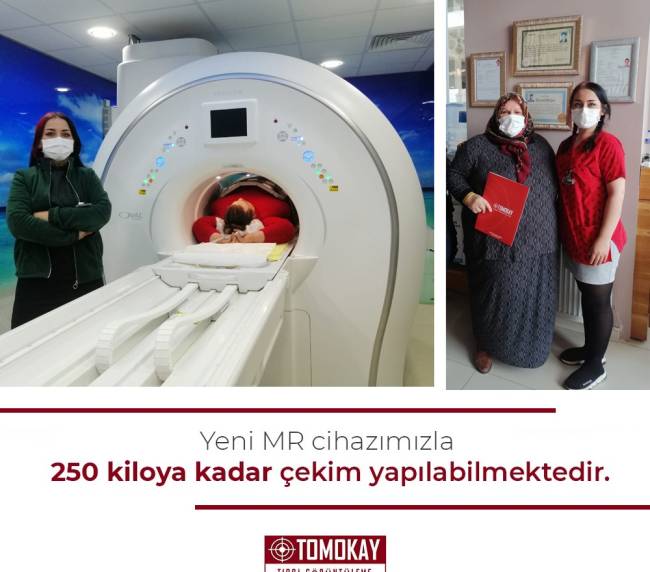
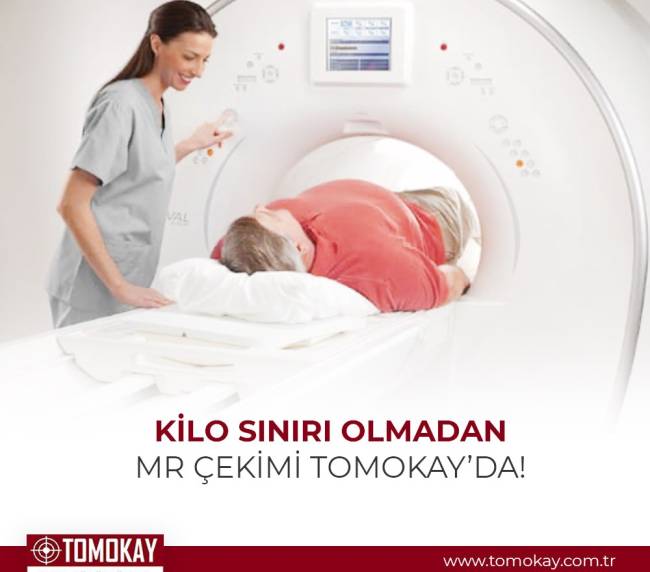
MRI scans without weight restrictions at Tomokay!
MRI – EMAR:
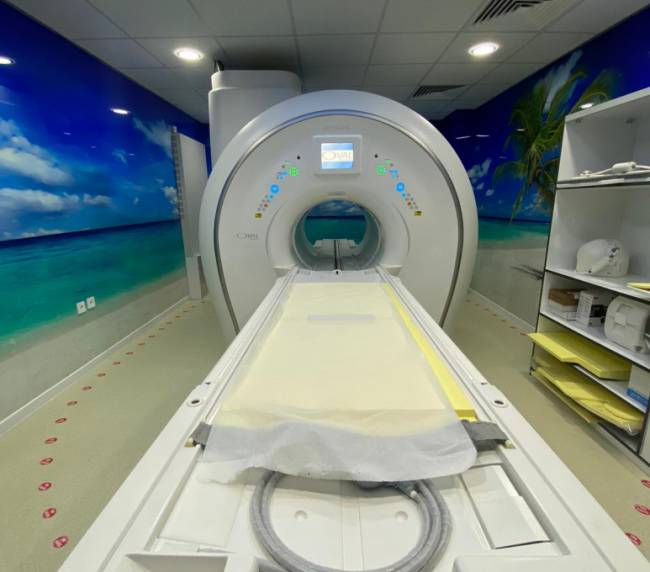
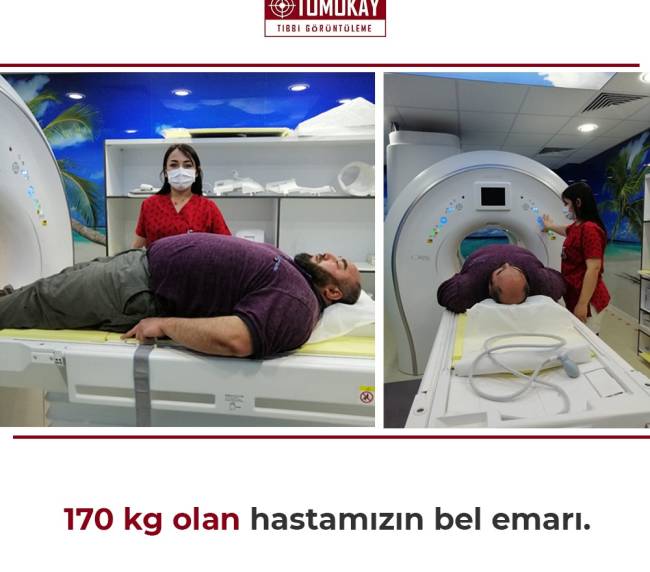
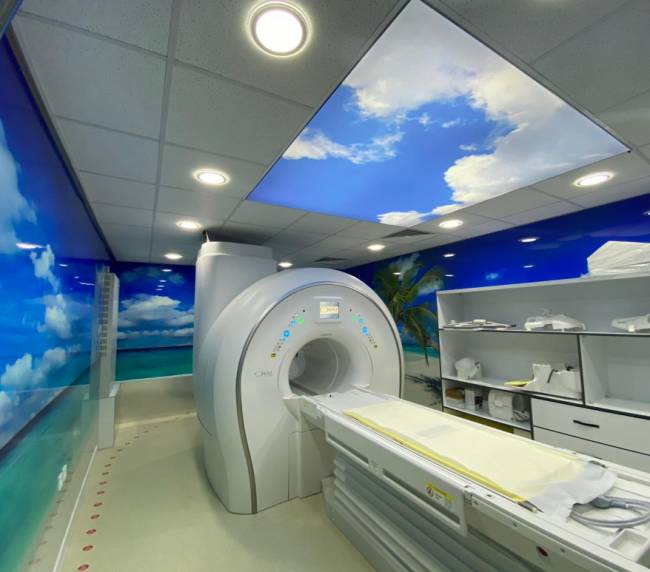
Our device, the world’s largest 1.5 Tesla EMAR, which has entered service at TOMOKAY Medical Imaging Clinic, has superior features. It is a device equipped with artificial intelligence technology at 1.5 Tesla power. The images are clearer and the shooting time is significantly reduced. All types of EMAR scans are performed. Well-known scans such as Brain MRI, Cervical (Neck) MRI, Lumbar (Lower Back) MRI, Knee MRI, and Shoulder MRI are performed exceptionally well. In addition, regarding current imaging methods, both contrast-enhanced MR angiography (with contrast agent) and non-contrast MR angiography are performed for MR angiography (imaging of blood vessels; brain, carotid artery, renal artery, etc.). Heart MRI, Liver MRI, Pancreas MRI, Bile duct MRI (MRCP), Kidney and Urinary tract MRI (MR urography), Multiparametric Prostate MRI, Pelvic MRI (gynecological diseases), Breast MRI, Diffusion MRI, and Whole Body MRI scans are performed. With improved image clarity, MRIs of many organs and tissues that previously yielded poor results due to breathing and heart movement are now being performed. In addition to these developments, there have also been positive developments for people with claustrophobia or panic attacks. MRI scans remain a significant challenge for overweight and obese patients, with older open MRI machines and other MRI machines having a weight limit of approximately 130 kg. Advances in technology have brought good news in this regard, and the Wide MRI machine currently used in our clinic can perform scans on patients weighing up to 250 kg. This has made it possible to perform important MRI techniques in the treatment of obese patients in our city. To summarize:
All types of MRI examinations are performed at our clinic using the latest MRI scanning methods.
Pediatric patients can safely undergo scans in a spacious and comfortable MRI environment with their families.
Patients with claustrophobia who cannot undergo scans at other clinics can comfortably undergo MRI scans at our clinic.
Obese patients who, in their own words, have visited many hospitals but have been unable to undergo scans can comfortably undergo MRI scans at our clinic.
OPEN MRI – EMAR: In older open EMARs, the magnetic field strength indicating the MRI power, known as Tesla, is low (between 0.23 and 0.35 Tesla). For this reason, some EMAR scans can be performed, while others cannot. Scans take a long time, between 30 and 60 minutes, and even when MR examinations can be performed, images are not as clear as those obtained with normal MR devices (1.5 Tesla). Many diseases cannot be definitively diagnosed with open MRI, and surgical departments avoid operating on patients based on open MRI scans. Many manufacturers discontinued production of older open MRI machines years ago. Consequently, the older open MRI machines still in use in our city are nearly 20 years old and their technology is significantly outdated.
*** Translated with www.DeepL.com/Translator (free version) ***
MRI examinations that cannot be performed with the old open MRI:
- BOS Flow MRI (for cerebrospinal fluid flow)
- Breast MRI
- Perfusion MRI
- Cartilage Mapping MRI
- Diffusion MRI
- Whole Body MRI
Abdominal Organ MR Scans
- Liver MR
- Pancreas MR
- Biliary Tract MR (MRCP)
- Kidney and Urinary Tract MR (MR Urography)
- Gynecological MR (Pelvic MR)
- Prostate MR (Multiparametric Prostate MR)
- Colon and Rectum MR (Rectum-Anal Canal MR)
- Upper Abdomen MRI (Upper Abdominal MRI)
- Lower Abdomen MRI (Lower Abdominal MRI) – Pelvic MRI
- Whole Abdomen MRI (Whole Abdominal MRI)
- Contrast-Enhanced Dynamic
- MRI (Mainly for abdominal organs, especially the liver and pancreas)
- Fetal MRI During Pregnancy (Baby MRI)
MR Angiography Examinations
- Cranial (Brain) MR Angiography
- Carotid (Neck Artery) MR Angiography
- Renal (Kidney) MR Angiography
- Arm MR Angiography
- Leg MR Angiography
Neck MRI
- Neck MRI
- Larynx MRI
- Pharynx MRI
Chest – Lung – Chest MRI
- Chest MRI
- Aorta MRI and MR angiography
- Heart MRI